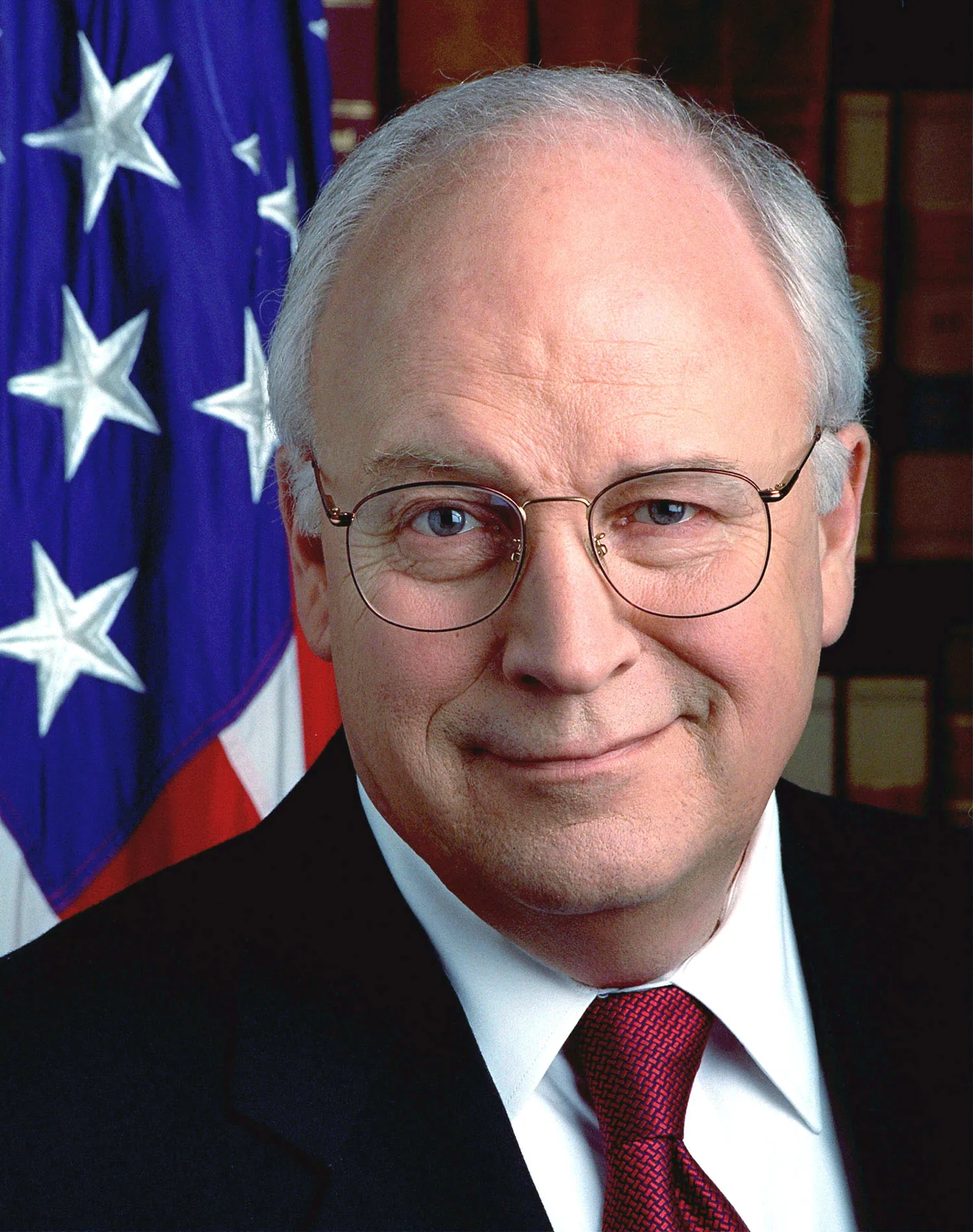
Flags were at half-staff in November 2025 to mark the death of former Vice President Richard ?Dick? Cheney, who died on November 3, 2025. For a former vice president, the standing federal framework in 4 U.S.C. ? 7(m) specifies half-staff display from the day of death until interment. The White House lowered its flags on November 4. However, contemporaneous Associated Press reporting found that President Donald Trump did not publish the separate ceremonial proclamation that often accompanies the death of a prominent national figure. Those facts can both be true: the established rule applied and the White House acted, even though no new Cheney-specific presidential proclamation was issued. State directives translated that rule into instructions for their own facilities, generally ending at sunset on November 20, 2025.
This was a completed historical observance. For the flag position now, check today?s U.S. half-staff status.
The short answer: a standing rule covered a former vice president
The key is Cheney?s status as a former vice president. Section 7(m) of the U.S. Flag Code lists different mourning periods for different offices. It does not assign the same duration to a sitting and a former vice president.
| Officeholder | Period stated in 4 U.S.C. ? 7(m) |
|---|---|
| President or former president | 30 days from the day of death |
| Sitting vice president | 10 days from the day of death |
| Former vice president | From the day of death until interment |
The same U.S. Code page reproduces Presidential Proclamation 3044, issued by President Dwight D. Eisenhower in 1954 and later amended. That proclamation established uniform executive-branch instructions for honoring specified current and former officials. It names a former vice president and uses the death-to-interment period.
That is why asking whether Trump ?ordered? the flags down can produce a misleading yes-or-no answer. A fresh, Cheney-specific proclamation was not necessary to discover the applicable period: the office was already covered by the standing federal rule and an existing presidential proclamation. For other historical dates, use the half-staff calendar.
What happened from November 3 through November 20, 2025
November 3-4: Cheney died and the White House flag was lowered
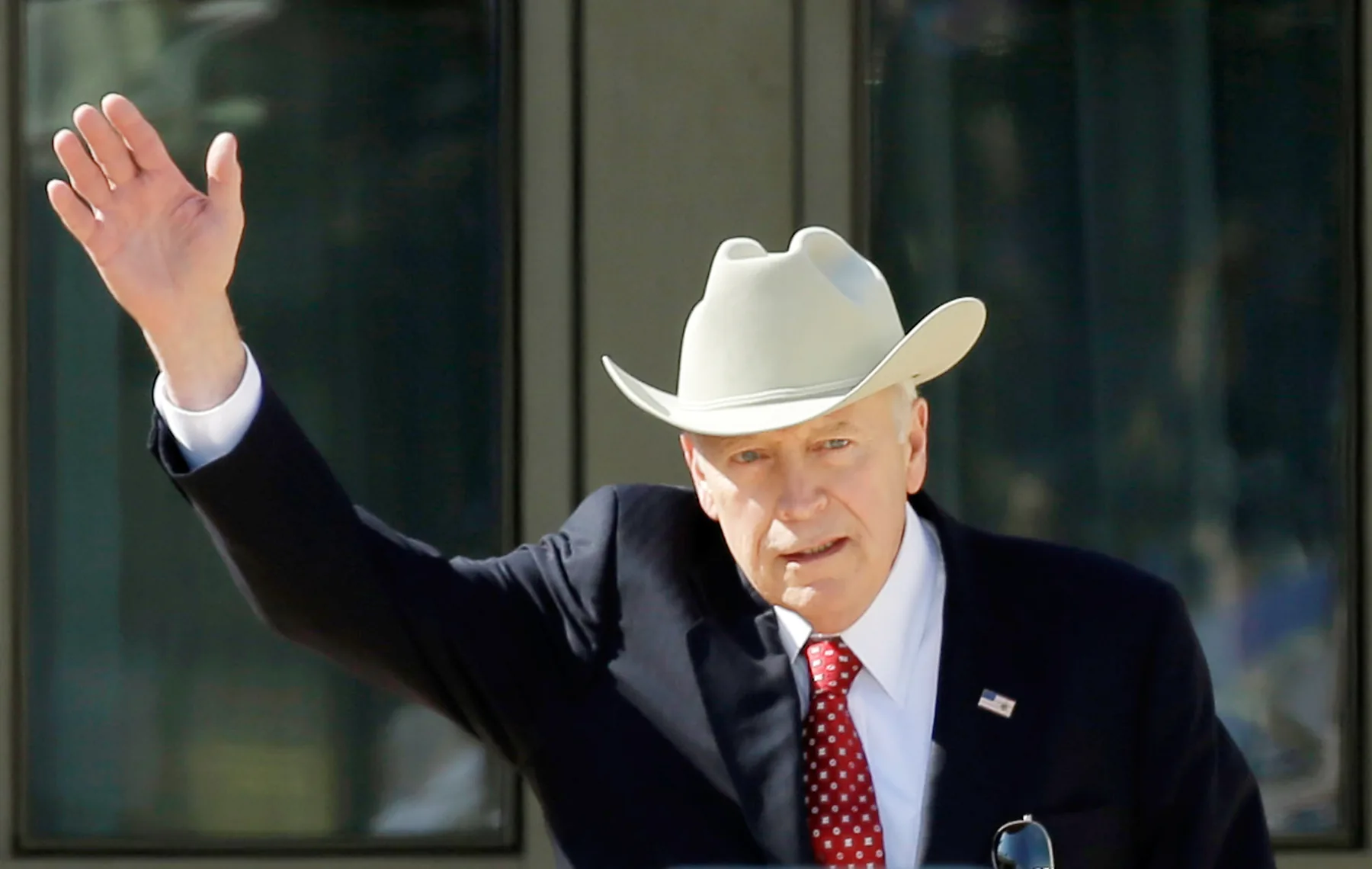
Cheney died at age 84 on Monday, November 3. On Tuesday, November 4, the U.S. flag at the White House was lowered to half-staff. The Associated Press reported that White House press aides confirmed the display was in remembrance of Cheney. It also noted that the lowering occurred without the advance announcement or proclamation that commonly precedes such an action.
For someone who saw a lowered flag on November 4, the immediate reason was therefore clear: the federal government was observing the death of a former vice president under the established mourning framework.
November 5-10: governors translated the observance into state instructions
Governors and state agencies then issued their own notices for state-managed facilities. These releases did not all use identical language because they applied to different jurisdictions.
- Washington directed Washington state and U.S. flags at state agency facilities to half-staff beginning November 5.
- Kentucky directed flags at state office buildings to half-staff.
- New York directed flags on state government buildings to half-staff.
- Michigan addressed the State Capitol Complex and public buildings and grounds, while encouraging residents, businesses, schools and local governments to participate.
A state bulletin is authoritative for the facilities it names; it is not automatically a nationwide order. This is also why two people in different states could encounter notices with different start times, return instructions or wording. The Washington flag-status page is an example of where to check current state-level information.
November 11 and November 20: Veterans Day and the endpoint
Washington published an amended directive that illustrates how overlapping observances can affect an operational schedule. It instructed state agency facilities to raise Washington and U.S. flags to full staff on Veterans Day, November 11, keep them there until close of business or sunset, and then resume the Cheney half-staff display through November 20. That was Washington?s instruction for its state facilities; it should not be generalized as a universal rule for every flag in the country.
Michigan?s official release said flags should remain lowered through sunset on Thursday, November 20, the day it identified as Cheney?s interment. Washington National Cathedral hosted his funeral service that day. The death-to-interment period had therefore reached its stated endpoint.
Did President Trump issue a proclamation for Cheney?
No separate Cheney-specific Trump proclamation was found in the reviewed White House Presidential Actions record. The Associated Press reported after the November 20 service that Trump did not issue the presidential proclamation that often accompanies the death of a notable person. Earlier AP reporting had already documented that the White House lowered its flags on November 4 without advance notice.
This distinction matters:
- What happened: the White House flag was lowered, federal protocol already addressed the death of a former vice president, and states issued implementation notices.
- What was not published: a new public proclamation bearing Trump?s name and devoted specifically to Cheney.
It would be inaccurate to say Trump refused to lower the White House flag. It would also be imprecise to describe a newly issued Trump proclamation as the sole legal source for the observance. The most defensible explanation is that officials followed the established federal framework without a separate public ceremonial proclamation from Trump.
Which flags were covered?
Proclamation 3044 describes the federal scope broadly. For the covered officials and periods, it addresses U.S. flags on federal buildings, grounds and naval vessels in the District of Columbia, the states, territories and possessions. It also includes U.S. embassies, other federal facilities abroad, military facilities, naval vessels and stations.
State orders have a different reach. A governor may direct flags at state buildings, agencies or other public facilities under state authority. The exact language matters:
| Flag or facility | Where to look for the controlling instruction |
|---|---|
| Federal building, military post or U.S. facility abroad | Federal law, presidential instructions and agency guidance |
| State capitol or state agency building | Governor or state flag-status directive |
| City, county, school or other local facility | Applicable state direction plus the local authority?s policy |
| Private home or business | Official notices may encourage participation; read the notice before treating it as mandatory |
Michigan, for example, encouraged residents, businesses, schools, local governments and other organizations to join the observance. ?Encouraged? is not the same as a federal legal requirement imposed on every private flag owner.
Why did some notices use different end dates?
The governing phrase for a former vice president is ?until interment,? but facility managers still need an operational instruction. Agencies often translate that phrase into a clock-based direction, such as ?through sunset on November 20? or ?return to full staff on November 21.?
Michigan directed a return to full staff at sunset on November 20. Washington used close of business or sunset on November 20. An Arizona agency headline described flags as remaining at half-staff until November 21, communicating the next day?s full-staff operation. These formulations can describe the same practical transition from different perspectives: the last moment of the observance versus the first normal business day afterward.
When an exact time matters, read the body of the most specific notice issued for the facility you manage; a shortened headline may describe the transition differently. Do not substitute a neighboring state?s alert or a historical article for the current directive.
Frequently asked questions
Why were flags at half-staff on November 6, 7 and 9, 2025?
Those dates all fell within the Cheney mourning period. He died November 3, and the standing rule for a former vice president continued through interment on November 20. They were not three separate national observances.
Were flags still at half-staff after November 20?
The Cheney observance had reached its endpoint. A flag could still have been lowered because of a different federal, state or local order, or because a facility had not yet changed its display. This article records the completed Cheney period, not a continuing instruction. Check the order in effect for that location and date rather than assuming Cheney remained the reason.
Is ?half-mast? wrong?
?Half-staff? is the standard term for a flag on a land-based staff in U.S. law and official notices. ?Half-mast? is traditionally associated with ships and is also widely used in everyday searches. Both phrases led many readers to the same November 2025 question, but this article follows the official U.S. wording.
Was lowering the flag a political endorsement?
No such conclusion is necessary. The relevant rule is tied to the office Cheney once held. Following an office-based mourning protocol does not require an institution or private citizen to endorse every policy or action in an official?s career.
How to check a past or current flag order
Use a simple five-part check whenever a flag alert seems unclear:
- Confirm the date and local time.
- Identify whether the order is federal, state or local.
- Read which buildings, grounds or organizations it covers.
- Record both the effective time and the return-to-full-staff time.
- Verify the information against the issuing government office.
For current conditions, start with Half Staff Today. For a past date, search the calendar and order history. More background on federal and state flag decisions is available in the Half Staff Today blog.
Comments
Comments are reviewed before publication.
Sign in with Google to join the discussion.
Loading comments…